Cheapest
The Gion classic
Chopsticks by the pagoda
- Time1 h
- Ratings4,624
- Pricefrom $6
Find the place
8 places on the map
Choose an area, then a marker or a name to read its note and open it in Google Maps.
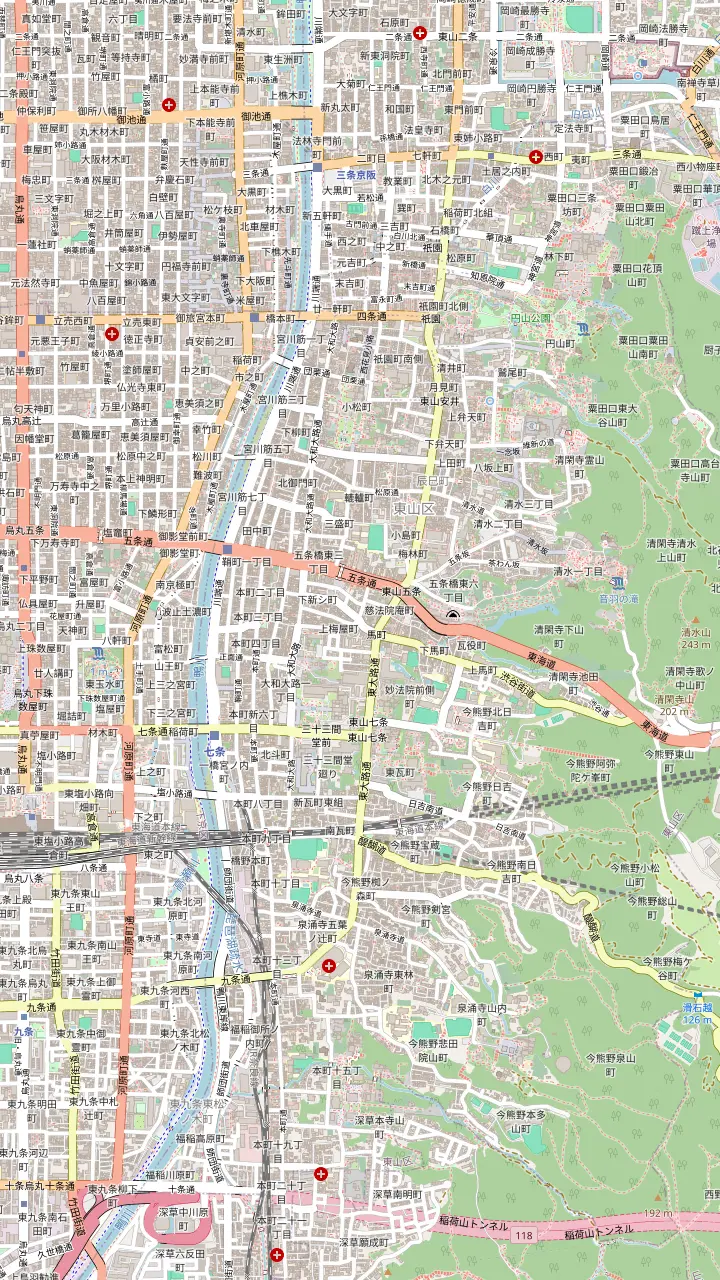
The kintsugi class behind this site is described as being in a studio near Gion and Kawaramachi.
Google MapsThe city guide's route for Kiyomizu or Gion ends on the Keihan Line.
Google MapsA chopstick workshop meets one minute on foot from the Yasaka Pagoda in Gion.
Google MapsRide the JR Nara Line to Tofukuji Station and transfer to the Keihan Line for Kiyomizu or Gion.
Google Maps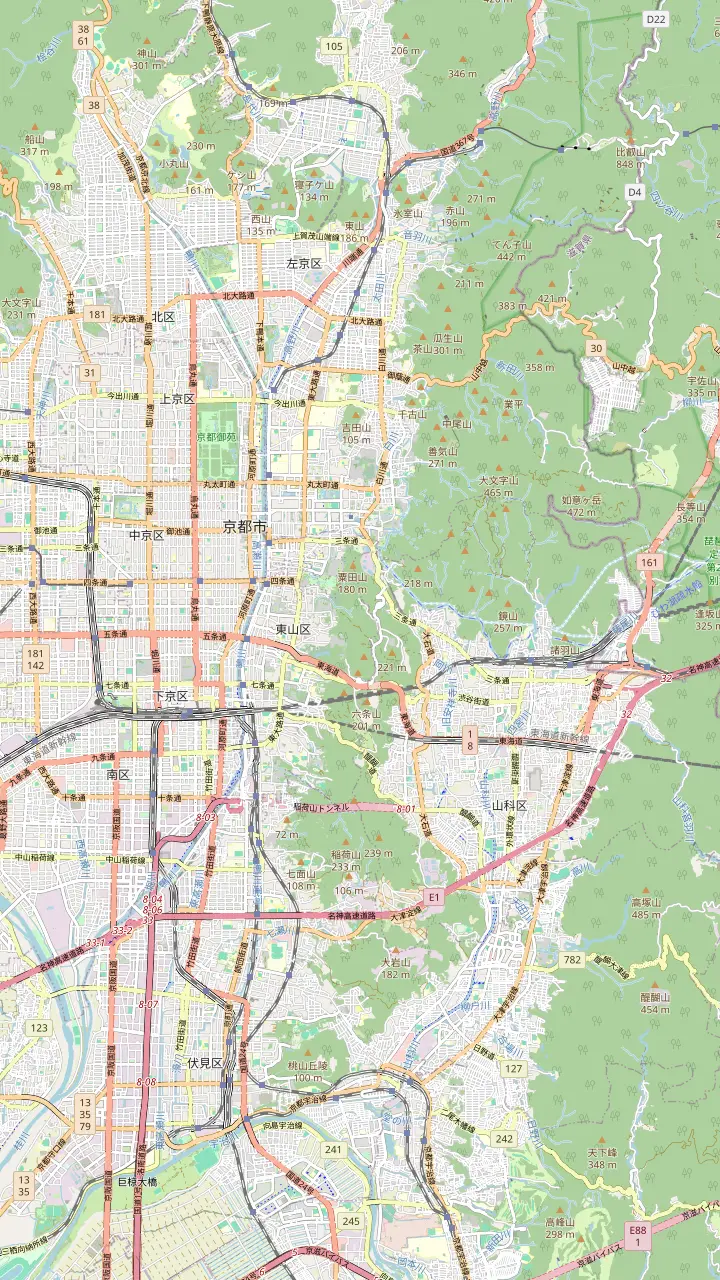
The Tokaido-Sanyo Line from Kyoto Station leads to Yamashina Station for the pottery district.
Google MapsIt stands in the basement of Miyakomesse in Okazaki, and its craft demonstrations change from one month to another.
Google MapsThe pottery complex here has nearly 70 shops and companies, about 30 minutes from Kyoto Station.
Google MapsChange here from the Tokaido-Sanyo Line to a bus for the pottery complex.
Google MapsMap: OpenStreetMap contributors
Kyoto's crafts are not only for museums. Around Gion and across the city you can plane chopsticks, finish a knife, dye cloth or blend incense in a session of an hour or two. This page maps the workshops, compares them and says when to go.
Editorial team, kintsugiworkshopkyoto.com · Updated November 2, 2026 · Roughly 6 minutes to read
Kyoto workshops in short
Kyoto has a formal idea of its crafts. The Kyoto City Tourism Association defines the Traditional Industries of Kyoto as industries based mainly in Kyoto City that make products linked to traditional Japanese culture and lifestyles using traditional techniques.2 The same association's list runs from lacquerware and ceramics to fans, bamboo, dolls, metalwork and Buddhist altars.
A workshop for visitors takes a thin slice of the traditional crafts of Kyoto. You will not learn lacquer in an hour, but you can feel what it is to plane a piece of wood or to brush dye across white cloth. The most useful way to read the booking pages is as a menu of small tastes, each one a doorway into a larger craft with its own schools, materials and museum shelves.
Gion is the best place to start, because the district is already on most itineraries. The studios cluster in and near Gion and Kawaramachi, so you can combine a craft stop with a walk and a meal, and the map on this page marks the stations and landmarks that anchor the area. Beyond Gion, the dye studios and the pottery district take a short train ride.
The workshops
| Craft | Length | Group | Ratings | From |
|---|---|---|---|---|
| Chopsticks, Gion | 1 h | 30 spots | 4,624 | $6 |
| Coin ring | 1 h | 8 places | 3,144 | $13 |
| Kintsugi near Gion | 1.5 h | 10 places | 2,155 | $18 |
| Kitchen knife, Gion | 1 h | 10 places | 279 | $61 |
| Roketsu dyeing | 2 h | 30 spots | 197 | $25 |
| Kimono fabric crafts | 1.5 h | 4 places | 93 | $25 |
| Yuzen dyeing | 2 h | 6 places | 81 | $159 |
| Natural indigo | 2 h | 6 places | 41 | $94 |
Lengths, group caps and rating counts from the listing records; prices are from prices per person, not quotes.
The easiest workshop in Gion is chopstick making. A Viator workshop run by Traveling Kyoto meets one minute on foot from the Yasaka Pagoda, runs 1 hour with an engraving option, takes up to 30 people, and starts from $6 with 4,624 ratings averaging 4.95. You plane the wood yourself and leave with a pair.
Metalwork has two entries. A coin ring workshop run by Traveling Kyoto meets on the 1st floor of the Fukuya Building, runs 1 hour for up to 8 people from $13, and has 3,144 ratings averaging 4.96. For knives, the Kyoto association notes that the history of Kyoto cutting tools goes back to blacksmiths who came when the capital moved to Heian-kyo, and a Gion knife workshop starts from $61.4
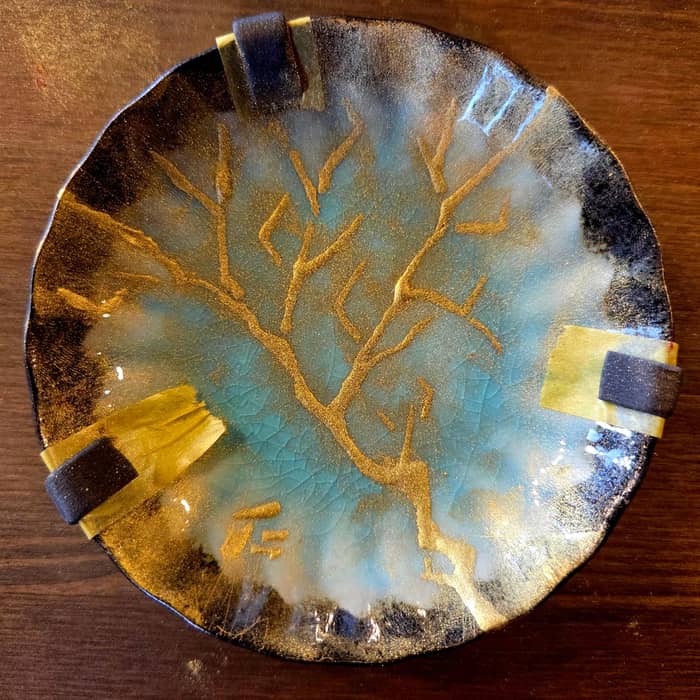
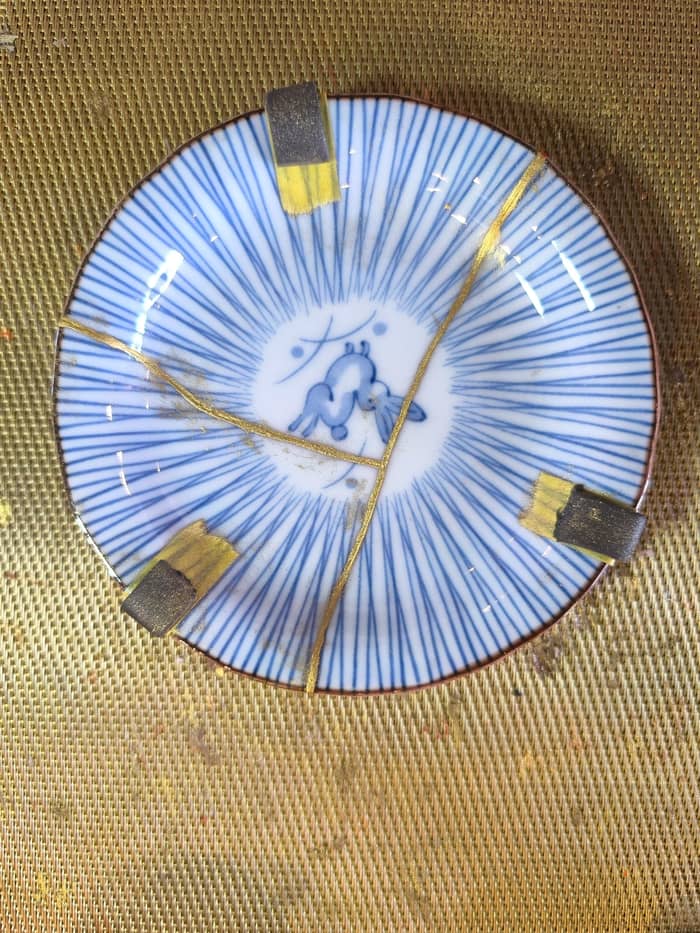
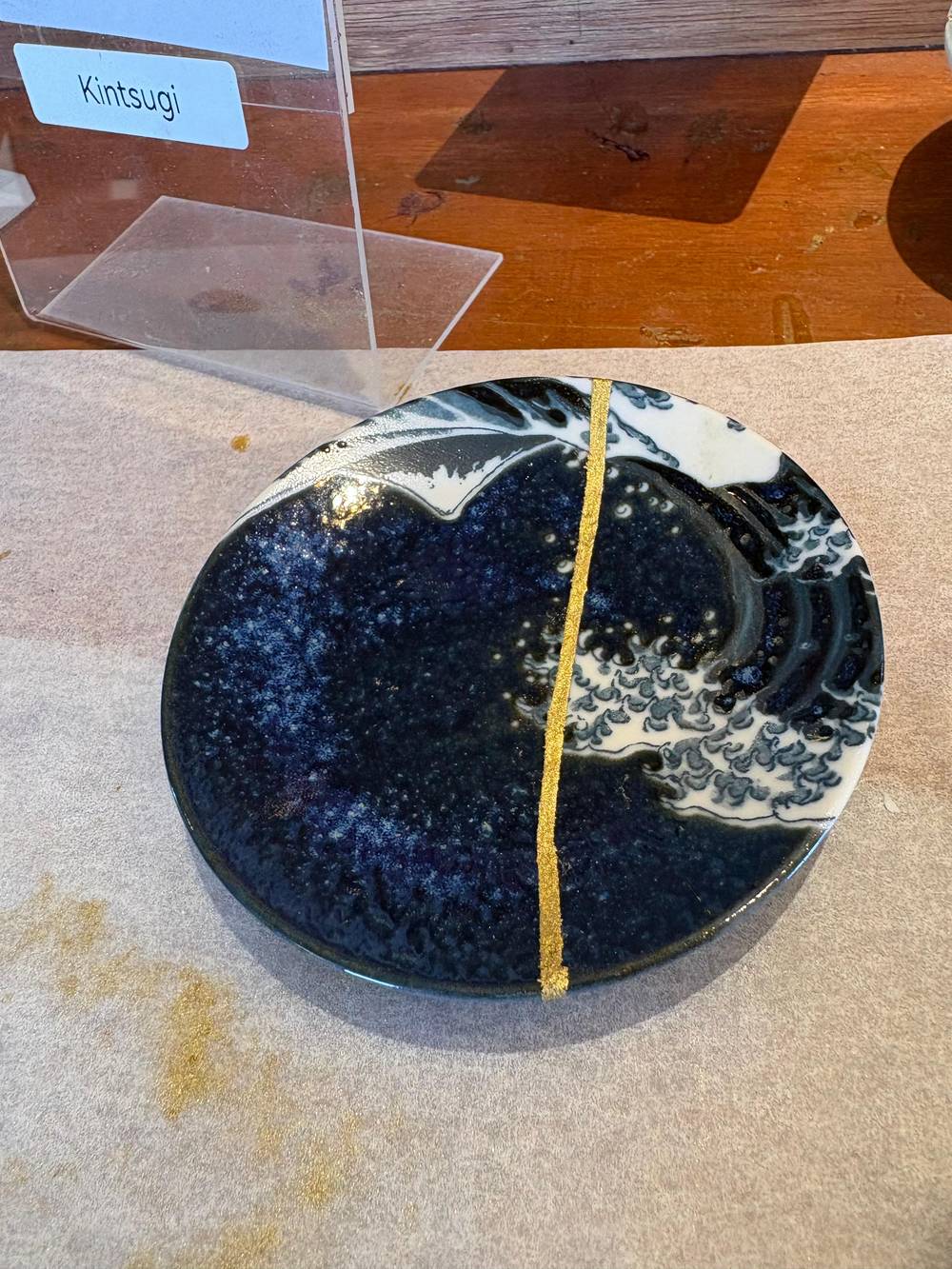
Lacquer is the craft behind kintsugi, and it has its own place in the city. Kyo-shikki lacquerware technology was established in the Nara period, with master craftsmen appearing in the 16th and 17th centuries, and it became popular together with the tea ceremony.5 The most-rated kintsugi class, from $18, is the quickest way to touch that tradition. It sits near Gion and takes up to 10 people for 1.5 hours.
Pick a month by its weather
Bars show mid-month hours of daylight; each dot marks a day of rain measuring 2.5 mm or above, NOAA station Kyoto, 1971 to 2020.23
Dyeing is the most photogenic craft on the list. Kyo-Yuzen is one of the three major styles of Yuzen dyeing in Japan, with designs painted freehand or stenciled onto white fabric, and a finished piece involves around twenty separate processes.6,7 The style dates back to 17th-century Kyoto, when the fan painter Miyazaki Yuzensai applied his painting style to textile patterns.8
At the Okayama Kogei studio in Fushimi Ward, the Kyoto City Tourism Association reports that participants can choose a framed panel, a handkerchief or an obiage scarf; the framed postcard-sized silk can be taken home the same day, while handkerchiefs and stoles are mailed about a month later.9,10,11 On the booking platforms, a GetYourGuide Yuzen dyeing class runs 2 hours for up to 6 participants from $159, with 81 reviews averaging 4.87.
Cheaper dye options exist. A Viator roketsu dyeing experience run by a Kyoto studio runs 2 hours from $25 for a group of up to 30, with 197 ratings averaging 4.95. A natural indigo class limited to 6 participants runs 2 hours from $94, with 41 reviews averaging 5.00. A kimono fabric handicrafts class limited to 4 participants runs 1.5 hours from $25.
Which craft
Start from how much time and money you want to spend
If I have one hour and little cash
Chopstick making in Gion
It runs 1 hour from $6.
If I want something to wear
The coin ring workshop
It runs 1 hour for up to 8.
If I want color and cloth
Roketsu dyeing
It runs 2 hours from $25.
If I want the full Yuzen experience
The Yuzen dyeing class
It runs 2 hours for up to 6.
If I want a story and a seam of gold
Our kintsugi class
It runs 1.5 hours for up to 10.
Gion, metal, gold
Cheapest
Chopsticks by the pagoda
Take-home
A coin ring
Our choice
Our kintsugi class
Fans are a Kyoto specialty with a long record. Folding fans were invented around the 9th century in Japan, and Kyo-sensu include fans for dancing, Noh theatre, tea ceremony, display and practical use.16 The ribs and handle of Kyoto round fans, Kyo-uchiwa, are made separately in a style called sashie.17 The Yuzen story starts with a fan painter, which is a neat reminder of how close these crafts sit.
A workshop for fans is available, though thinly reviewed. The GetYourGuide listing for creating your own Kyoto hand fan runs 25 minutes, is a private group, starts from $16 and has 2 reviews averaging 5.00. Two reviews tell you almost nothing about quality, so treat it as a short, flexible stop and read the listing closely before you book.
Incense is the quietest of the crafts. A GetYourGuide incense-making workshop in a historical room runs 50 minutes to 2 hours for groups limited to 8, starts from $25, and has 12 reviews averaging 5.00. The review base is again small, so check the date, the language and the listed session length before committing, since the range of 50 minutes to 2 hours is wide.
Price a craft outing
Enter how many are coming and compare the totals.
4 sessions compared
Enter how many are coming and compare the totals.
≈
View≈
View≈
View≈
ViewEach total uses the lowest from price on its listing, converted by the ECB reference rate; the exact amount is fixed at checkout.
A craft day in Gion
Morning
The workshop meets one minute from the Yasaka Pagoda and runs 1 hour.
Mid-morning
The kintsugi studio is described as near Gion and Kawaramachi.
Midday
The class runs 1.5 hours for up to 10 people.
Afternoon
The museum's craft demonstrations change monthly.1
Rainy backup
The tourism association suggests museums and indoor attractions in the rainy season.3
If you want to understand what you are about to try, the Kyoto Museum of Crafts and Design is the place. It reopened in 2020 after a renewal under that name, and it first opened in 1977.18 It stands in the basement of Miyakomesse in Okazaki, at 9-1 Seishoji-cho, Sakyo-ku.14
The museum shows demonstrations of Kyoto traditional crafts, and the content changes from one month to another.1 Its demonstration list names family crest painting, Buddhist altars, inlays, Japanese candles, wood crafts, lacquerware, braided cord and Kyo-tsuzure.19 Check which craft is being shown on your date, because the list rotates and you cannot assume the one you want will be on.
Craft and display complement each other. A museum visit teaches you what a finished piece looks like, and a workshop shows you how much hand skill sits behind it. Do the museum first if you are curious and the workshop first if you are impatient. Either order works, and the museum is on the map above, east of the center, within reach of both Gion and the Okazaki museum district.
Video
Japan Craft Tour by m.a.b.e.l on YouTube · Nothing loads from YouTube before you press play.
Traditional Industries of Kyoto refers to industries planned and produced primarily within the district of Kyoto City which make products that are closely connected to traditional Japanese culture and lifestyles through the use of traditional techniques and methods.
Checklist
Craft workshops are indoor activities, which makes them a good answer to Kyoto weather. The city association says Kyoto sees a lot of rainfall between early June and mid-July, in a season called tsuyu, and suggests museums and indoor attractions as a way to escape the showers.20,3 Summer is hot and humid, with temperatures often rising above 35 C in midsummer.21,22
Time is the second constraint. Most of the workshops here take an hour, though dyeing runs 2 hours and the kintsugi class 1.5 hours. An easy plan is one craft in the morning, a long lunch and a second craft or a museum in the afternoon. The chopstick workshop and the kintsugi class are both near Gion, so they pair without a long transfer.
Booking is simple. The Viator workshops here allow free cancellation up to 24 hours before the start, as does the most-rated kintsugi class. The GetYourGuide Yuzen class asks for notice up to 3 days in advance. Prices are from prices per person, not quotes, and the final amount appears at checkout.
FAQ
A chopstick workshop meets one minute from the Yasaka Pagoda, and a kintsugi class sits near Gion and Kawaramachi.
It runs 1 hour with an engraving option.
The Yuzen, roketsu and indigo sessions each run 2 hours.
The Kyoto Museum of Crafts and Design is in the basement of Miyakomesse.14
That season is called tsuyu.20
The Yuzen class asks for 3 days.
Sources
Keep reading
A question about the class? A person answers here.